A photograph can communicate a collection faster than unfamiliar product names. It can also conceal scale, material, backing and the difference between loose components and a finished item. HAIBU accepts reference-image inquiries for its existing resin charms, polymer clay slices, slime charms and sequins collections. Compare catalog references first, then confirm the selected version and any development request. Visual similarity alone does not establish an exact match or a supplied finished kit.
Compare original component photographs
Use these catalog references to explain the part you mean. They are separate products, not one assembled kit.
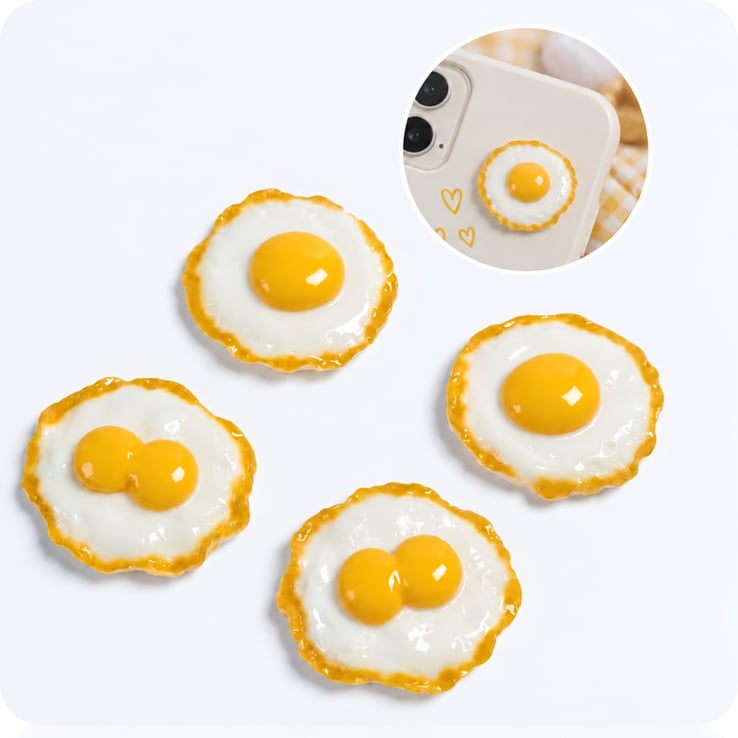
RW26801 · Small fried-egg decorations
resin · Approximately 25 mm
Reference pack: 100 pieces per bag; custom packing by inquiry
Original product photograph. No hole is listed; confirm backing and attachment. Finished accessories are not included.
Ask about RW26801 →
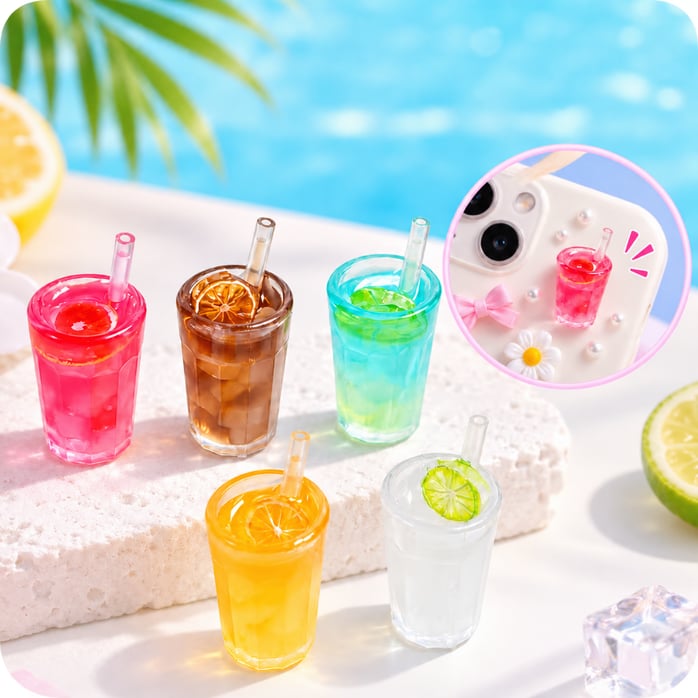
RW26795 · Miniature drink cups
resin · 12 × 26 mm
Reference pack: 100 pieces per bag; custom packing by inquiry
Original product photograph. No hole is listed; confirm backing and attachment. Finished accessories are not included.
Ask about RW26795 →
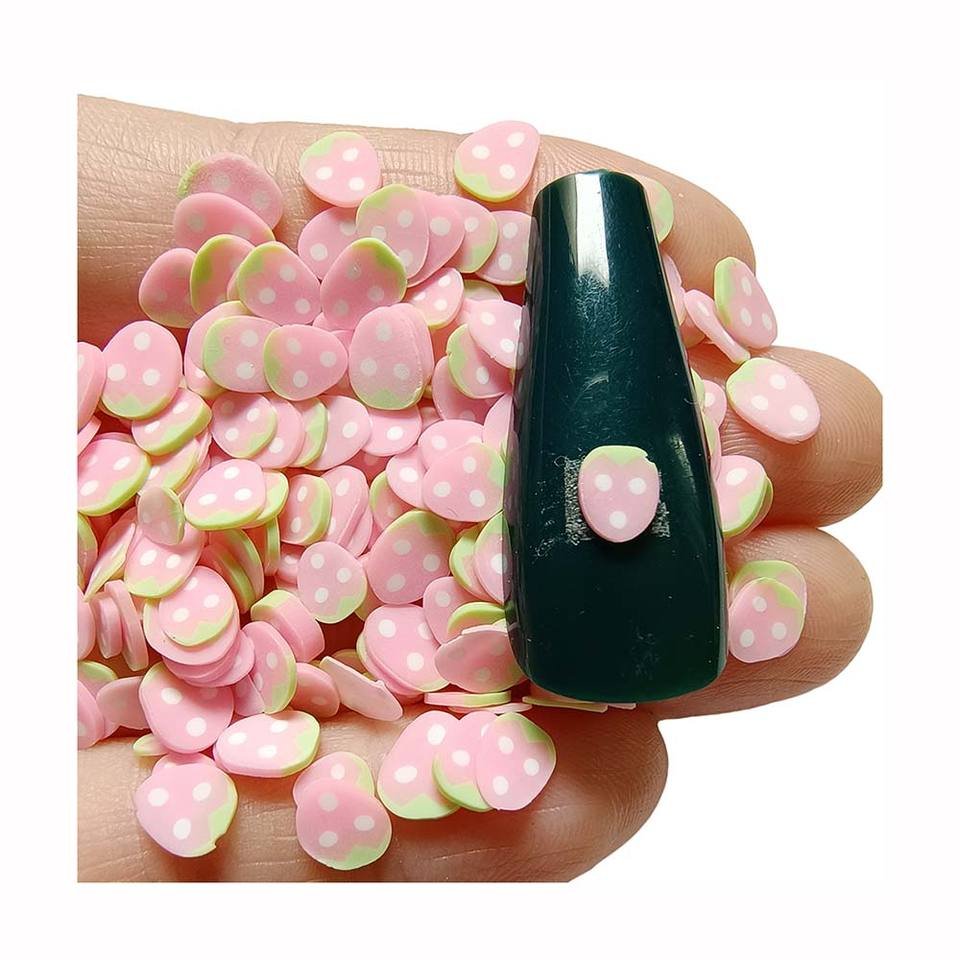
YX693 · Pink strawberry slices
Polymer Clay · 5 mm
Reference pack: 500 g/bag
Original product photograph. Confirm thickness and sample performance. Pack weight is not a fixed piece count.
Ask about YX693 →
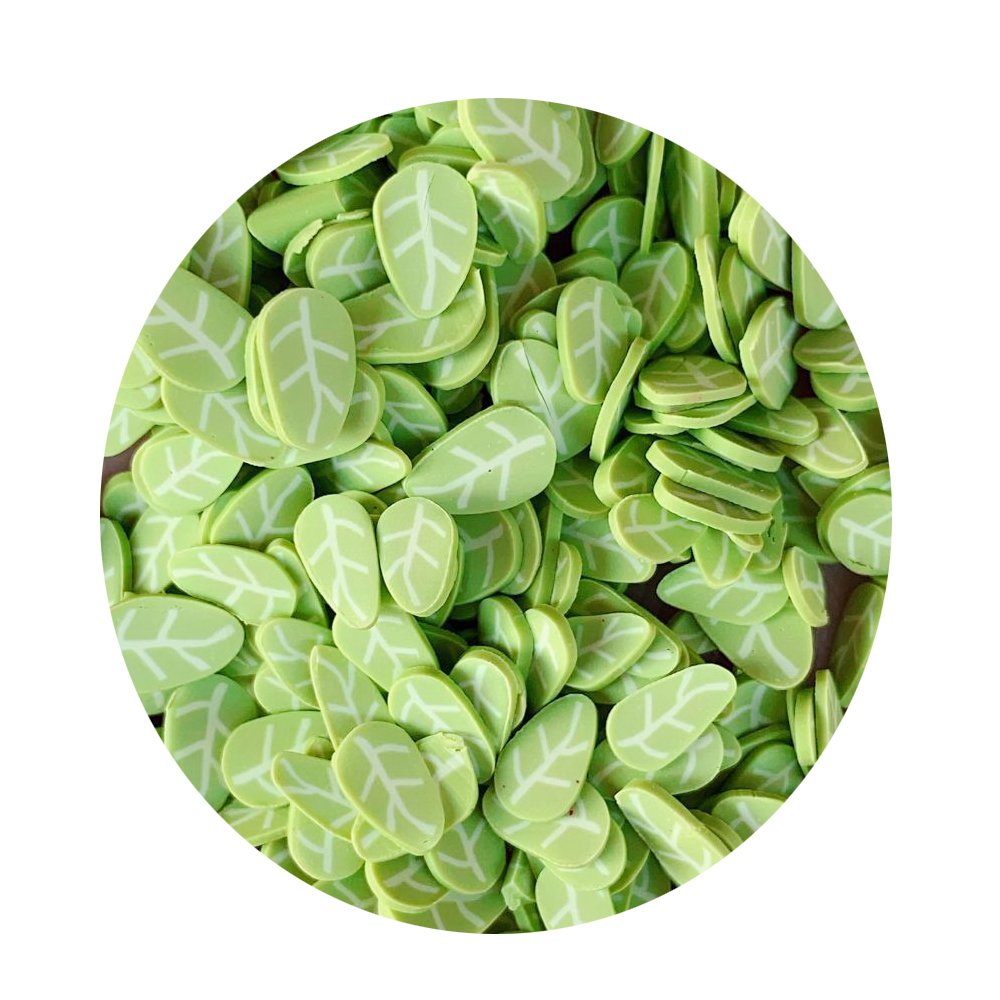
YX329 · Light green leaf slices
Polymer Clay · 5 mm
Reference pack: 500 g/bag
Original product photograph. Confirm thickness and sample performance. Pack weight is not a fixed piece count.
Ask about YX329 →
Choose an exact, similar or custom request
These are three different purchasing briefs. For an exact-design request, identify the features that cannot change. For a similar alternative, say which differences in shape, size, color or finish are acceptable. For development, provide your artwork or drawings and intended use before discussing samples and bulk terms.
A screenshot can combine pieces from several suppliers or show a one-off handmade project. Keep it as a reference for discussion. Establish a product code and selected version before using it as an order specification.
Send a full view and a component close-up
Keep a full photograph of the project and mark the parts you want sourced. Add a crop for each small detail. If you have the item, include ruler views, thickness and the reverse side or connection. A front view cannot establish resin versus another material, a drilled hole or the dimensions required for assembly.
For a slime mixture, distinguish the slices, focal decorations and reflective accents. State whether the reference shows a dry mix or materials already added to a formula. The amount visible on a jar top is not a measured dose or a repeatable recipe.
Compare existing references before planning development
RW26801 and RW26795 are resin pieces with no hole listed. YX693 and YX329 are polymer clay slices with 500 g source packing. The photographs above identify four separate catalog references. A coordinated appearance does not make them one supplied mixed bag or complete kit.
List the codes and the role of each component. If your reference needs a hanging decoration, the no-hole pieces require a separately reviewed attachment or another component. These resin references are not complete keychains. Confirm which bases, connectors or other materials would be supplied separately.
Calculate quantities by component
For a proposed 200-kit project using two counted decorations per kit, the base requirement is 400 decorations before spares. For an approved SKU at 100 pieces per bag, that is four bags before allowances. This is planning arithmetic, not a kit offer or a stock commitment.
If each kit needs one of two specific designs, confirm selected-design quantities separately: a random 100-piece bag does not guarantee the required balance. For weight-based slices, count and weigh actual samples before estimating a counted kit yield. Show every order quantity with its unit.
Separate a random assortment from a controlled mix
A reference photograph may be an attractive arrangement rather than the contents of one standard pack. Say whether you want separate SKU bags, a proposed mixed bulk bag or identical retail kits. List required and excluded motifs, and define any proposed proportion by weight or by count.
Ask which parts of the recipe can be controlled, what variation is acceptable and what minimum quantities and packing work the quotation covers. A random assortment does not establish that every design appears in every bag. Review a packed sample when repeatability is important.
Confirm the sample and delivery scope
Ask for sample availability, charges, packaging work, bulk quantity and shipping separately. Include destination and required arrival date. Source bag weight is not a sample offer. A catalog listing does not confirm that the quantity needed for your project is available for immediate dispatch.
For slime, adhesive, resin or a liquid-filled vessel, describe the actual materials and conditions for your trial. Record the selected SKU, sample identity, measurements and observations. A picture cannot prove color stability, bond strength or compatibility with your formulation.
Compare suppliers against the same brief
Use the same component list and buying conditions for every candidate. Compare material, dimensions, selected versus random designs, sample scope, bulk packing and retail packing work. Keep unresolved questions visible instead of treating an unanswered field as an available capability.
A lower bag price is not directly comparable if one offer is a random mix and another includes selected designs or individual retail packing. Check the units and included work before ranking quotations. This guide does not establish a current product price.
Send a photo with a quote-ready component list
A concise request might read: Please review my marked photo for a pastel craft collection. Compare RW26801 and RW26795 as focal options, and YX693 or YX329 as slice options. I need separate component samples before choosing the layout. Please identify missing dimensions, design-selection limits and packing units for my proposed quantities.
Add destination, intended application, required arrival date and any branding request. Attach the photos in the existing reference-image field. If an AI assistant identified the picture, treat its proposed material names as tentative descriptions and verify them against the actual catalog record and sample.
| What the picture suggests | What the order needs |
|---|---|
| A small decoration | SKU, material, width, length and thickness |
| A hanging or glue-on use | Hole, loop or backing; separate connector and fit check |
| A mixed theme | Selected or random designs, ratio and permitted variation |
| A bag of components | Unit, quantity by SKU and proposed retail packing |
| A finished kit | Every included part and approved assembly scope |